
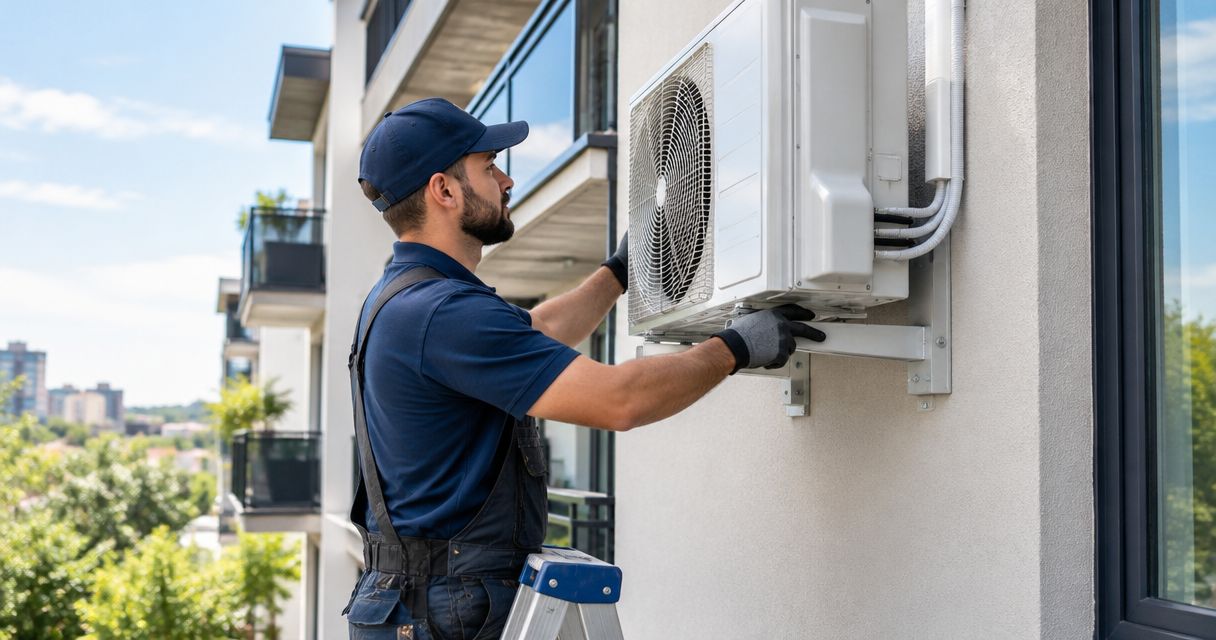
Ductless mini split installation for landlords is the addition of room-based heating and cooling to rental housing with the aim of improving tenant comfort and control. Unlike an owner-occupied project, a rental installation also needs clear decisions about tenant access, utility responsibility, maintenance, and service access between tenancies.
Why ductless installation matters for landlords
If you own or manage a rental property in North Central Connecticut, keeping tenants comfortable without creating a complicated heating and cooling system can be a challenge. Ductless mini-splits can be a great solution for apartments, older homes, additions, converted spaces, and properties where traditional ductwork isn't practical.
At Homestead Comfort, we've been helping Connecticut homeowners and property owners with heating and cooling since 1989. When we look at a rental property, the goal isn't simply to install a mini-split. It's to design a system that makes sense for the building, keeps tenants comfortable, and remains practical to service for years to come.
A rental heating and cooling project affects more than equipment selection. You need a system tenants can operate, technicians can maintain, and your property can accommodate without creating drainage, electrical, or access problems.
HomesteadComfort is best for north-central Connecticut landlords seeking local HVAC installation and repair. Start a discussion with HomesteadComfort once you have the property layout, existing heating details, and tenant-access constraints together.
For a 2026 rental upgrade, define the actual problem before choosing equipment: uncomfortable bedrooms, a unit without cooling, or an existing heating system you intend to replace. A mini split serving an open living area does not establish that closed bedrooms will receive adequate heating and cooling.
Plan your rental installation in 7 steps
1. Start With the Property and the Comfort Problem
Before choosing equipment, start with the problem you're trying to solve. Is one apartment consistently too hot or cold? Are you trying to add air conditioning to an older property? Are tenants using window units because the building doesn't have central air? Or are you considering replacing or supplementing an existing heating system?
These are very different situations and may call for different solutions.
At Homestead Comfort, we start by looking at the property itself. That includes the existing heating system, room layout, insulation, windows, tenant comfort concerns, and how the space is actually used.
For rental properties, it's also important to consider who controls the system, who pays for electricity, how technicians will access the equipment, and whether separate apartments need independent heating and cooling.
The goal isn't simply to find a place to hang a mini-split. It's to create a heating and cooling solution that makes sense for the building and the people living in it.
2. Make Sure the System Is Sized Correctly
Mini-split systems aren't something you should size based on square footage alone. The number and size of rooms, insulation, windows, ceiling heights, building orientation, and existing heating system can all affect the amount of heating and cooling the property needs.
This becomes especially important in Connecticut, where a system may need to handle both summer heat and cold winter temperatures.
Homestead Comfort evaluates the property and heating and cooling requirements before recommending equipment. We also consider how individual rooms will be served. A mini-split located in an open living room, for example, doesn't necessarily mean a bedroom behind a closed door will stay comfortable.
If the mini-split will provide a significant portion of the property's heat, we'll also look closely at cold-weather performance and whether the existing heating system should remain as a backup or supplemental heat source.
Proper sizing helps improve comfort, efficiency, equipment life, and overall system performance.
3. Choose a Layout That Works for the Property
Where the equipment goes can be just as important as which equipment you choose.
Depending on the building, a rental property might use one mini-split for a specific living area, several indoor units connected to one outdoor unit, or separate systems serving different apartments or parts of the building.
Each approach has advantages.
A multi-zone system can reduce the number of outdoor units while serving several indoor spaces. Separate systems may provide greater independence between apartments or areas of the property.
Homestead Comfort can help determine which arrangement makes the most sense based on the property's layout, electrical setup, existing heating equipment, and how tenants use the space.
We'll also consider everyday practical issues such as airflow, noise, furniture placement, filter access, and future service access. The best system isn't just one that works on installation day. It should also be practical to operate and maintain for years to come.
4. Plan for the Outdoor Unit, Electrical Work and Drainage
A good ductless installation involves more than installing equipment inside the apartment.
The outdoor unit needs a location with proper airflow and service access while also accounting for Connecticut weather. Snow, ice, roof runoff, landscaping, walkways, and other obstacles can all affect where the equipment should be installed.
Drainage also needs to be planned carefully. Mini-splits create condensation during cooling, and heat pumps also produce water during their winter defrost cycles. That water needs somewhere safe to go without creating icing problems, damaging the property, or becoming a nuisance around walkways.
Electrical requirements should also be reviewed before installation. Depending on the property and equipment, electrical upgrades may be necessary.
Homestead Comfort looks at the complete installation, including indoor and outdoor equipment placement, electrical requirements, drainage, penetrations through the building, weather sealing, and access for future maintenance.
Planning these details beforehand can prevent headaches after the system is installed.
5. Coordinate Installation With Your Tenants
Installing HVAC equipment in an occupied rental property takes a little extra coordination.
Before installation, tenants should understand when technicians will need access, which rooms they'll be working in, and whether heating, cooling, or electricity will be temporarily interrupted.
It also helps to have tenants clear the areas around proposed indoor units and provide information about pets, parking, building access, or other property-specific concerns ahead of time.
At Homestead Comfort, our goal is to make the installation process as straightforward as possible for both the property owner and the people living in the home.
Once installation is complete, tenants should also understand the basics of operating the system, including temperature settings, heating and cooling modes, remotes or thermostats, and basic filter care.
Clear communication before and after the installation can prevent many common service calls and misunderstandings.
6. Understand Maintenance and Ongoing Service
A mini-split system still needs regular maintenance after it's installed.
Indoor units have filters that need to be cleaned, outdoor equipment needs to remain clear of debris and snow, and the complete system should be professionally maintained according to the manufacturer's recommendations.
For landlords, it's especially important to make responsibilities clear. Tenants may be able to handle simple tasks such as routine filter cleaning, while technical maintenance and repairs should be handled by qualified HVAC professionals.
Homestead Comfort provides both HVAC installation and ongoing service, so our relationship with a property doesn't have to end when the installation is finished.
We recommend keeping equipment information, warranty documents, service records, and operating instructions together with your property records. This makes future maintenance easier and can be especially helpful when tenants change.
Taking care of the equipment helps protect your investment while keeping the system operating properly for your tenants.
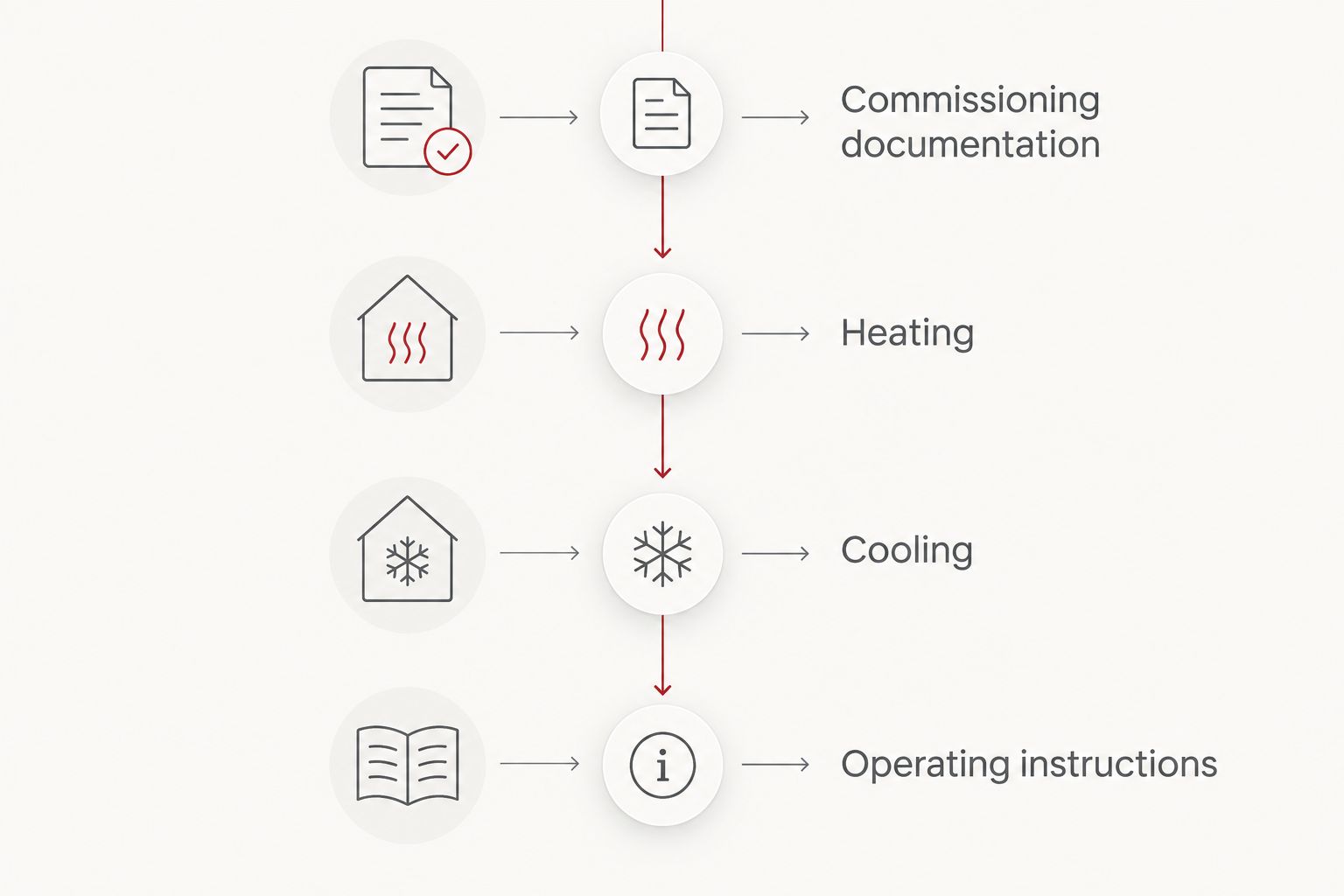
Complete the equipment checks and tenant instructions before closing the installation file.
7. Work With a Local HVAC Company That Can Support the Property Long Term
For a rental property, choosing an HVAC contractor isn't only about the initial installation. You also need someone who can help when the system needs maintenance, a tenant has a comfort problem, or equipment eventually needs repair.
Homestead Comfort has been serving homeowners and property owners in North Central Connecticut since 1989. Our team understands the area's homes, heating systems, weather, and the challenges that can come with upgrading older properties.
We can look at the complete heating and cooling picture rather than simply recommending a mini-split because that's the product you're considering.
In some properties, ductless may be an excellent solution. In others, keeping the existing heating system, making repairs, or considering another HVAC option may make more sense.
Our job is to help you understand those choices and find a practical solution for the property, your tenants, and your long-term plans.
Compare the options for your rental
The useful comparison is the installed arrangement, not just the equipment badge. Each option below has a role, but each also leaves a different management responsibility with you.
Single-zone ductless system
- Best for: A defined room or open rental area
- Main advantage: Gives that area its own heating and cooling control
- Key limitation: Does not establish adequate conditioning for separate closed rooms
Multi-zone ductless system
- Best for: Several spaces suited to a shared outdoor system
- Main advantage: Connects multiple indoor units to one outdoor unit
- Key limitation: An outdoor-unit fault can affect the connected spaces
Separate single-zone systems
- Best for: Spaces needing independent equipment
- Main advantage: Separates equipment operation and failures
- Key limitation: Adds outdoor equipment and associated installation requirements
Retain existing heat and add ductless cooling
- Best for: Rentals where existing heat remains suitable
- Main advantage: Preserves the current heating arrangement
- Key limitation: Leaves more than one system to maintain
Improve the existing system first
- Best for: Rentals with repairable comfort or distribution problems
- Main advantage: Addresses faults before committing to replacement
- Key limitation: Does not add missing cooling or independent room control
Ask the contractor to explain the trade-off for your actual floor plan. If a proposal depends on bedroom doors staying open, that operating assumption belongs in the discussion before approval.
Common mistakes landlords make
Treating each indoor unit as a separate heating system
Separate controls do not necessarily mean separate equipment. With a shared outdoor unit, connected rooms depend on common equipment and its operating constraints. Ask how faults and mode conflicts affect tenants before choosing the arrangement.
Assuming the tenant will handle maintenance
A tenant can follow clear filter-care instructions, but that does not replace professional inspection or make every maintenance task suitable for tenant use. Define responsibilities, provide the manual, and keep a record of completed service.
Removing existing heat before verifying winter performance
Cooling satisfaction does not establish that a system can carry the property's winter heating load. Confirm the heating design, selected equipment performance, and any required backup arrangement before authorizing removal of existing heat.
Comparing proposals with different scopes
A proposal that includes electrical work, drainage, permits, and finish repairs is not equivalent to one that excludes them. Use the same written scope and identify exclusions line by line before deciding.
Promising lower tenant bills without evidence
Energy use depends on the building, equipment, weather, occupancy, and settings. Explain how the system works and review actual records instead of guaranteeing savings or treating a single month's bill as proof.
FAQ
What's the first step in ductless mini split installation for landlords?
Define the rental's comfort problem and whether the installation adds cooling, supplements heat, or replaces heat. Then request property-specific sizing and a layout that accounts for closed rooms, tenant access, and utility responsibility.
Can one mini split heat an entire rental apartment?
One mini split is suitable only when its capacity and air distribution meet the apartment's needs. Closed bedrooms and separated rooms require a specific assessment rather than an assumption that air will reach them.
Is a multi-zone mini split better than separate systems for rentals?
Neither arrangement is automatically better for rentals. Multi-zone systems share outdoor equipment, while separate systems add equipment but separate operation and failures; compare both against the rental layout and billing arrangement.
Can landlords install a mini split themselves?
Landlords can prepare a room inventory and coordinate access, but those tasks do not replace qualified installation. Confirm the refrigerant, electrical, permit, and inspection requirements that apply to the proposed work.
Should I remove the old heating system after installation?
Remove existing heat only after the replacement heating design and any backup requirements have been confirmed. Ask the installer to document whether the selected system meets the property's heating needs at the local winter design conditions.
Who should clean the mini split filters in a rental?
Assign filter cleaning explicitly in the rental's maintenance instructions, consistent with the equipment manual and applicable obligations. Give tenants safe access instructions and a clear way to report problems requiring professional service.
What should landlords keep after a 2026 installation?
Keep the installation scope, commissioning record, equipment identification, manuals, approval documents, and applicable warranty terms. Add tenant operating instructions and maintenance records so the next turnover does not erase the system's service history.
One last thing
Photograph the finished installation before furniture returns. Capture indoor access, outdoor clearance, visible line routing, and the equipment labels, then store the photos with the manuals. Those images give your next tenant or service contractor a useful reference without asking anyone to remember installation day.
Leave a Reply